
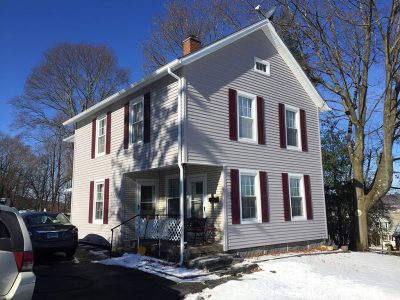
When it comes to preserving the beauty and integrity of historic homes, siding replacement is a task that requires not only expert craftsmanship but also a deep understanding of architectural heritage. In neighborhoods filled with character and history, ensuring that your exterior renovation enhances a home’s historic value while offering modern protection can be a delicate balancing act. Here are six important considerations when replacing siding on a historic home.

1. Understand Historical Accuracy
Maintaining or restoring the original appearance is often a top priority for owners of historic homes. This means selecting materials and styles that reflect or closely mimic the home’s original exterior. Researching the architectural trends from the era in which the home was built can provide important insights. Working with renovation specialists experienced in historic preservation helps ensure your siding choice honors the home’s heritage.
2. Choose the Right Materials
Many historic homes were originally constructed with materials now considered rare or premium, such as old-growth wood. While beautiful, these materials can be difficult to maintain and source. Modern alternatives like high-quality vinyl or fiber cement siding can replicate the look of traditional wood while offering increased durability and energy efficiency. Still, it’s essential to weigh the visual and historical impact of any material used.
3. Comply with Local Regulations
Historic properties are often subject to local preservation guidelines or homeowners’ association rules that regulate exterior changes. Before beginning a siding replacement, be sure to understand these requirements and obtain any necessary permits or approvals. Failing to follow the proper process could result in fines or mandatory reconstruction.
4. Prioritize Retention of Original Features
When possible, restoring or preserving the home’s original siding and architectural elements is highly beneficial. If the original material is too deteriorated to reuse, consider using reclaimed materials or commissioning custom pieces to replicate the originals. This approach adds authenticity and helps maintain the historic character of the property.
5. Consider the Impact on Home Value
Replacing siding on a historic home is more than a cosmetic update—it’s an investment in long-term value. Thoughtful material selection and adherence to historical accuracy can increase both the property’s market appeal and resale value. For homeowners who see their property as part of their legacy, making informed choices now can pay off well into the future.
6. Find a Contractor with Historic Home Experience
Hiring a contractor with a proven track record in historic renovations is essential. An experienced professional understands the nuances of working with delicate materials, replicating architectural details, and complying with local codes. They can seamlessly integrate modern siding solutions with your home’s original features, preserving its timeless charm while enhancing protection.
Ready to Start Your Historic Home’s Siding Replacement?
If your historic home needs new siding, don’t settle for just any contractor. At V. Nanfito Roofing & Siding Inc., we specialize in preserving the architectural integrity of historic homes while upgrading their resilience and energy efficiency. Our team has the experience and craftsmanship needed to ensure your home’s siding replacement honors its past and secures its future.
For a consultation in Meriden, CT, contact us today at (203) 666-4192 or complete our online form. Let’s preserve the history and protect your home for years to come.
The post Siding Replacement for Historic Homes: 6 Things to Keep in Mind appeared first on V. Nanfito Roofing & Siding.